Mid-Distance Racing
... A Deeper Dive
… a truly unique sport that combines athleticism, teamwork, and a deep connection with animals.
What is Mid-Distance Dog Mushing?
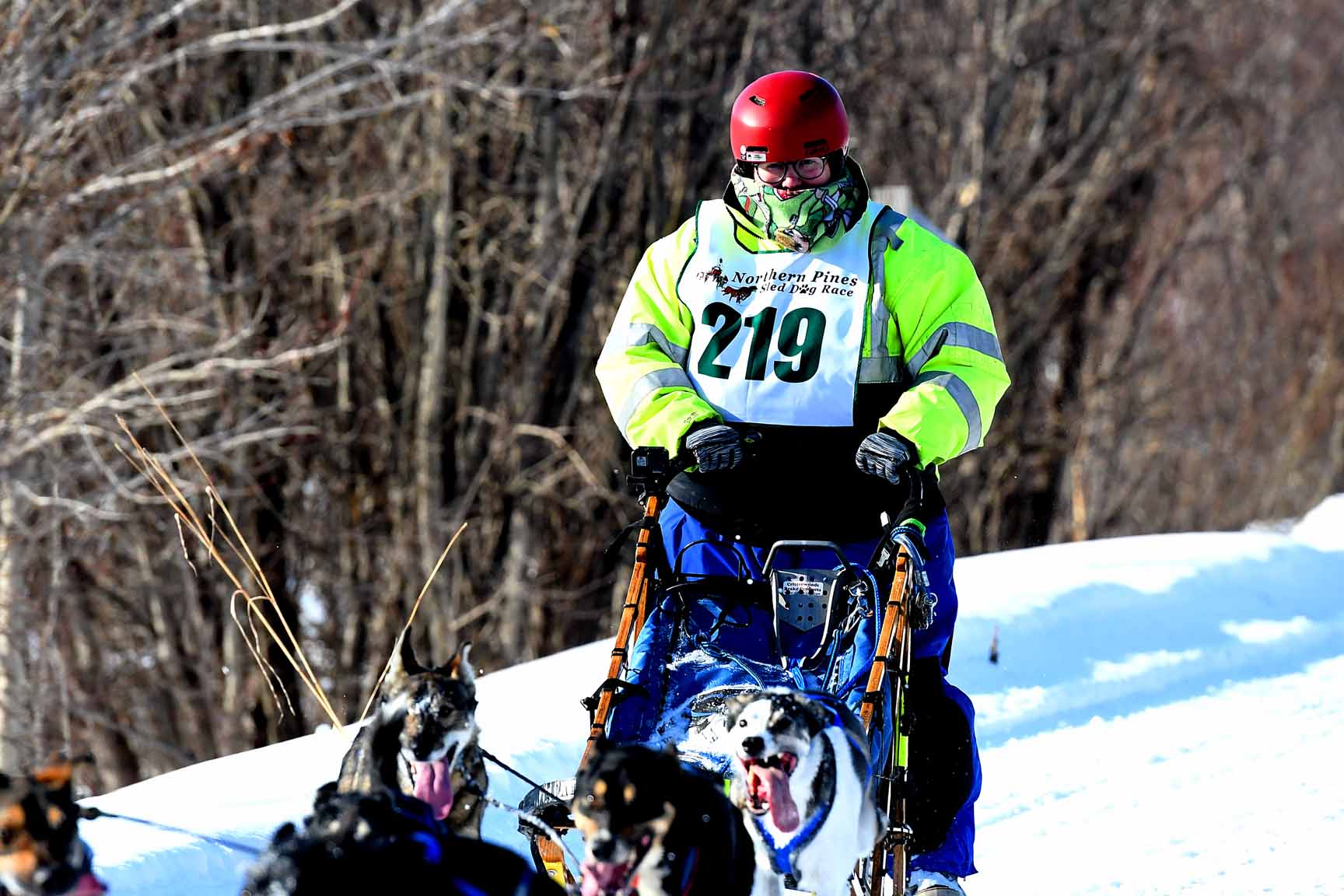
Imagine a dog sled race that's not quite a sprint but pushes beyond a leisurely ride. Mid-distance races typically range from 30 to 300 miles, testing both musher (driver) and dog's endurance. Unlike sprint races which are all-out bursts of speed over shorter distances (around 4 to 20 miles), mid-distance requires strategic pacing and teamwork between musher and dog team.
Beyond the Race ~ A Sled Dog Family:
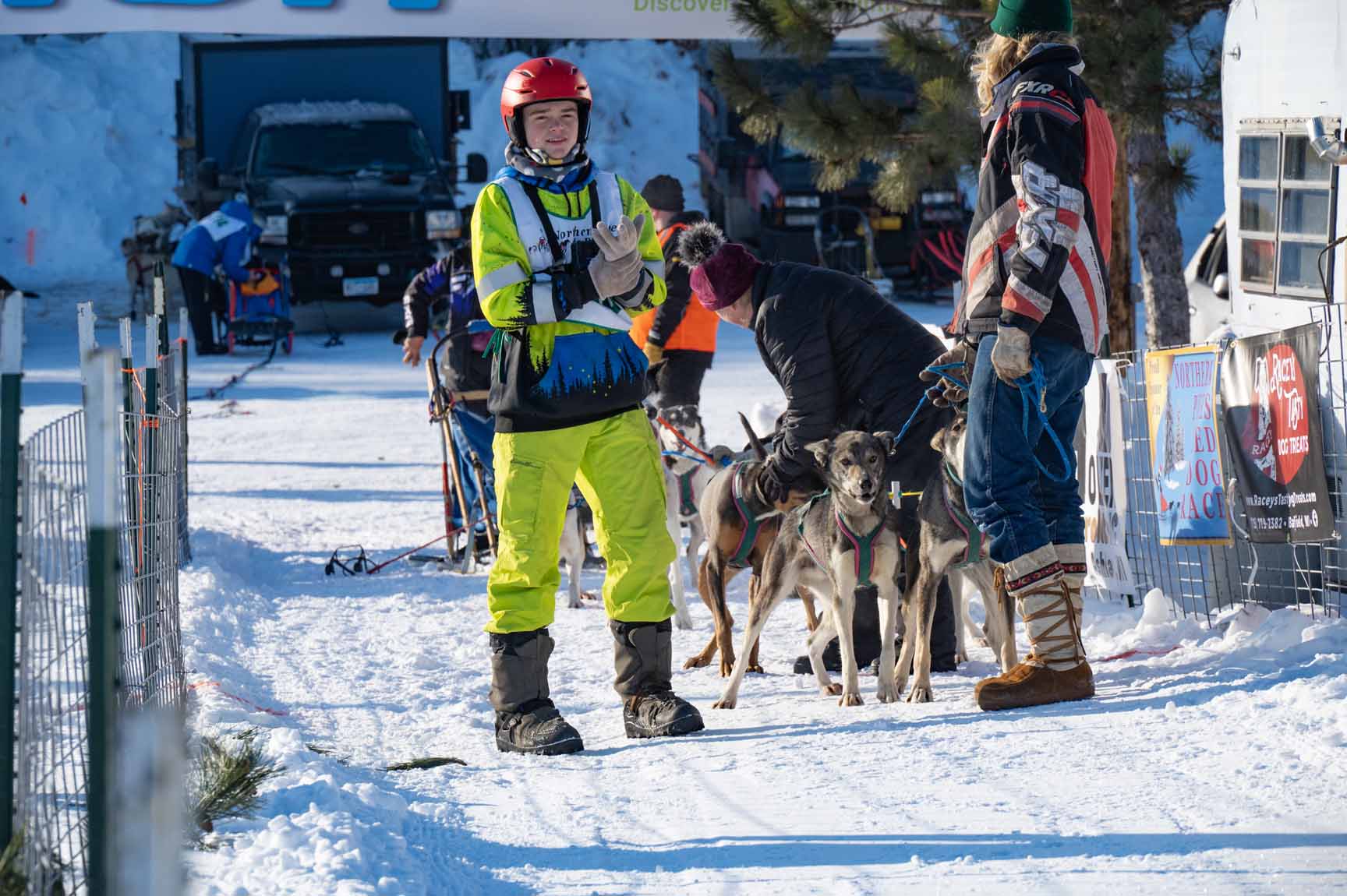
Absolutely! Dog mushing, especially mid-distance, is more than just a race. It's a demanding lifestyle that involves year-round commitment. Mushers care for their dog teams like extended family, providing proper nutrition, training, and veterinary care. This dedication fosters a strong bond between musher and dog, making them a true team.
🐾 Common Dog Breeds for Mid-Distance Mushing
Mid-distance dog mushing requires dogs that combine the power and stamina of traditional freight dogs with the agility and drive of sprint racers. These canine athletes must endure long hours on the trail, changing weather, and variable terrain — all while maintaining enthusiasm and teamwork.
Mid-distance mushing dogs represent a blend of history and innovation. From ancient Arctic sled lines to modern athletic hybrids, each breed contributes something unique — whether it’s stamina, speed, or the unshakable bond between dog and musher that defines the sport. Below are some of the most common breeds and their histories:
🐺 Alaskan Husky (not a pure breed) –
The Alaskan Husky is the most common sled dog seen in modern mid-distance and long-distance races. It’s not a registered breed, but a purpose-bred type developed in Alaska by combining the best traits of Siberian Huskies, Alaskan Malamutes, Pointers, and other working dogs.
History: Originating in the early 20th century, the Alaskan Husky was bred for one purpose — performance. Over generations, mushers selected dogs for endurance, cold resistance, and speed, creating today’s top sled dogs seen in races like the Iditarod and Yukon Quest.
❄️ Siberian Husky –
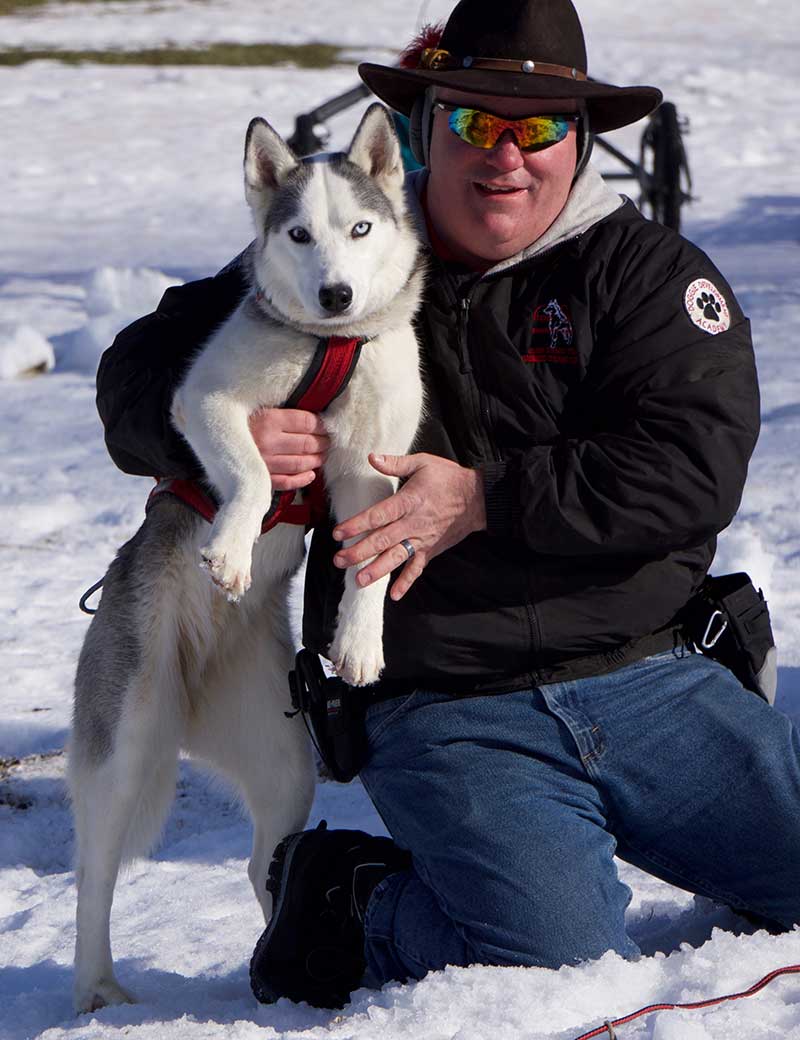
Recognized worldwide for their wolf-like looks and blue eyes, Siberian Huskies are a pure breed descended from the sled dogs of the Chukchi people of northeastern Siberia.
History: The Chukchi used them to travel vast snowy expanses, haul supplies, and hunt. Brought to Alaska in the early 1900s, they became famous for their role in the 1925 Serum Run to Nome — the event that inspired the Iditarod. Their combination of endurance, teamwork, and gentle nature makes them a favorite in mid-distance teams.
🏔️ Alaskan Malamute –
One of the oldest Arctic sled dogs, the Alaskan Malamute was bred by the Inuit Mahlemiut people of Alaska’s Norton Sound region.
History: Known for strength and loyalty, Malamutes were used to haul heavy loads across long distances — often supplies, firewood, or even seal carcasses. Though slower than Huskies, they remain valued in mid-distance and expedition teams for their ability to pull steadily through deep snow and frigid conditions.
🧭 Canadian Eskimo Dog (Qimmiq) –
Indigenous to Canada’s Arctic regions, this breed was developed by Inuit communities for transportation, hunting, and survival in the North.
History: The Canadian Eskimo Dog is one of North America’s rarest native breeds and is believed to have been part of Arctic life for over 4,000 years. Their stamina, intelligence, and thick coat make them exceptional working partners, especially on long hauls over ice and snow.
🐾 Greenland Dog (Kalaallit Qimmiat) –
This hardy Arctic breed has been used by the Inuit of Greenland for centuries to pull sleds and assist in hunting seals and polar bears.
History: The Greenland Dog is among the oldest surviving sled breeds, with a direct lineage to ancient dogs brought by early Arctic peoples. Known for incredible endurance and toughness, they thrive in extreme cold and demanding terrain, making them well suited for mid- and long-distance challenges.
Benefits, Obligations & Family Fun:
The rewards are plentiful! You'll experience the thrill of competition, camaraderie with fellow mushers, and the joy of working alongside amazing dogs. However, it requires responsibility. You'll need to clean kennels, train dogs daily, and constantly be aware of their well-being. The good news? This dedication can be a fantastic family bonding experience. Kids can learn responsibility and the joy of caring for animals, while everyone shares in the triumphs of race day.

Long-Term Commitment:
Dog mushing is a significant commitment. You'll need to invest in proper equipment, dog care, and potentially kennel facilities. The time commitment is substantial, with daily training and care for your dog team. Be prepared for a lifestyle shift, not just a weekend hobby.
Musher's Mettle:
Both physical and mental strength are crucial. Mushers need the stamina to endure long races, often in challenging weather conditions. Mentally, mushers need to be strategic, calm under pressure, and have excellent communication skills to guide their dog team effectively.